Piedras Negras Dental Clinic
Tooth extractions
A well-done extraction is quick, controlled and comes with a clear plan to replace the tooth if needed.
Extracting a tooth is always the last resort — we exhaust every option to save it first. But when a tooth is too damaged, fractured below the gumline or infected beyond treatment, removing it in time protects the neighboring teeth and bone.
Dr. Tokunaga performs extractions with careful technique and effective anesthesia, and always explains your options to replace the tooth once the area heals: bridge, denture or implant.
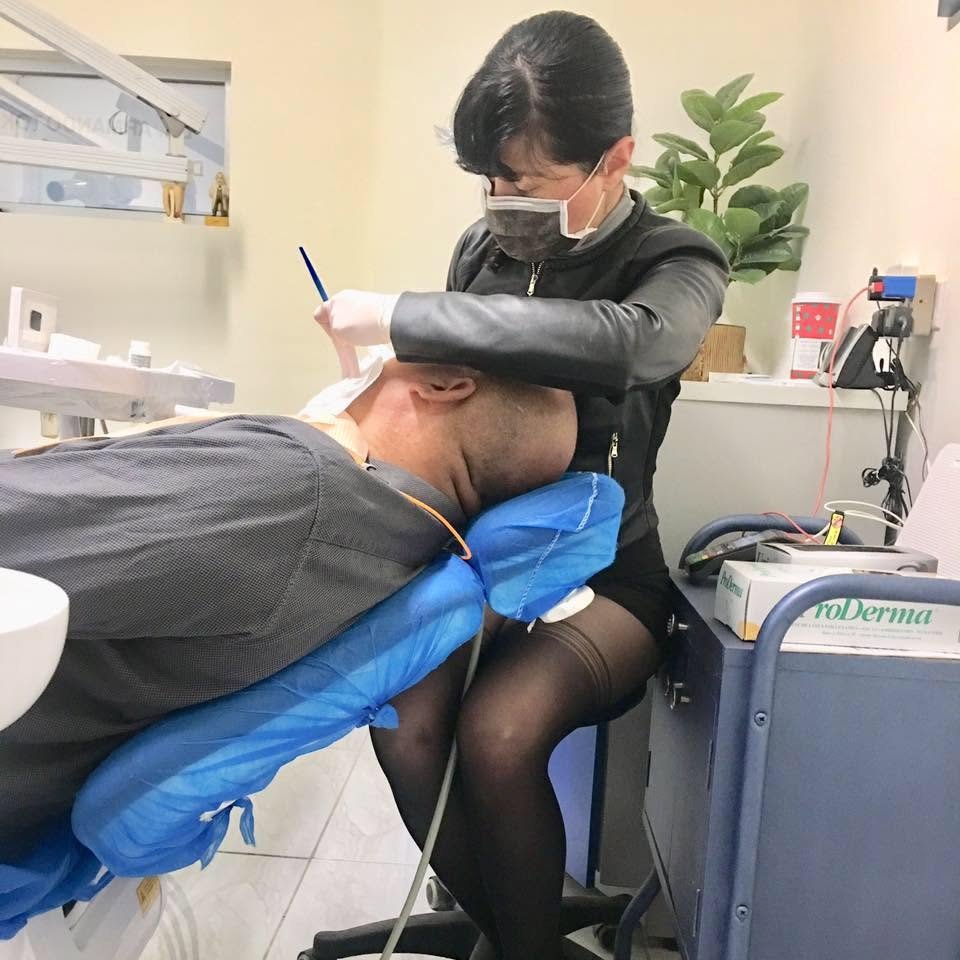
What does the procedure look like?
What does the procedure look like?
Evaluation & X-ray
We confirm extraction is the best option and study the position of the roots.
Deep anesthesia
We don't start until the area is completely numb. You'll feel pressure — never pain.
Careful extraction
We remove the tooth with a technique that protects bone and tissue — already planning for the future replacement.
Aftercare instructions
You leave with clear written instructions and a plan to replace the tooth once healed.
Benefits
Benefits
- Removes the source of pain and infection
- Protects neighboring teeth and bone
- Quick procedure with effective anesthesia
- A clear replacement plan from day one
Frequently asked questions
Frequently asked questions
Does an extraction hurt?
Not during the procedure — anesthesia removes the pain completely (you'll feel pressure, which is normal). Afterward, discomfort is well controlled with the prescribed medication.
What aftercare do I need?
No forceful spitting, no smoking, no straws for the first 72 hours; soft, cool foods the first day. We give you complete written instructions.
Do I really need to replace the extracted tooth?
In most cases, yes. The gap causes neighboring teeth to shift and your bite to change over time. We'll show you options for every budget.
Think you might need this treatment?
Message us on WhatsApp and Dr. Tokunaga will evaluate your case. An evaluation is the first step.
Ask us on WhatsApp